
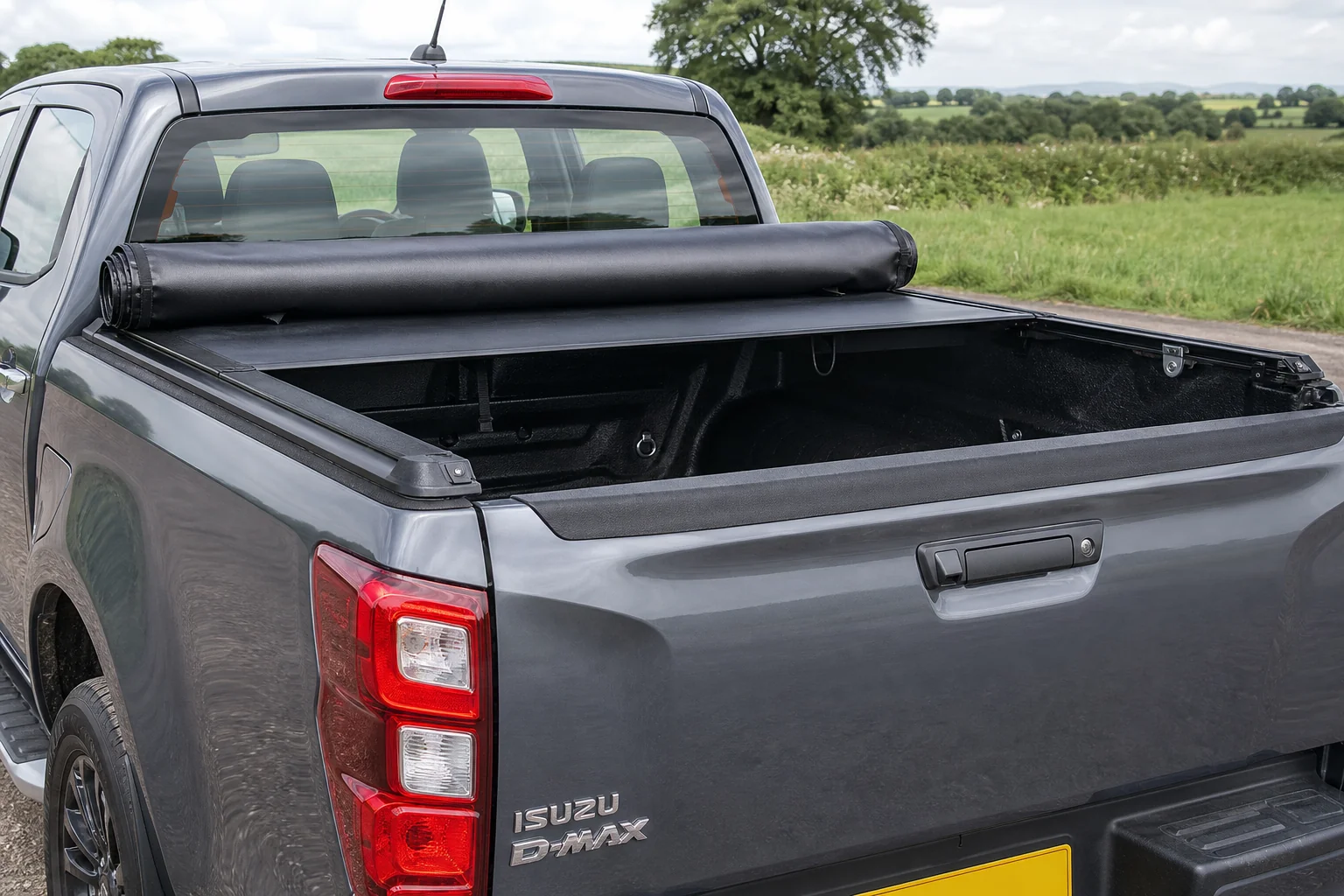
Soft roll-up cover
Quick access and light weight for everyday use.
UK guide
Logical, practical guidance for buying and using tonneau covers.
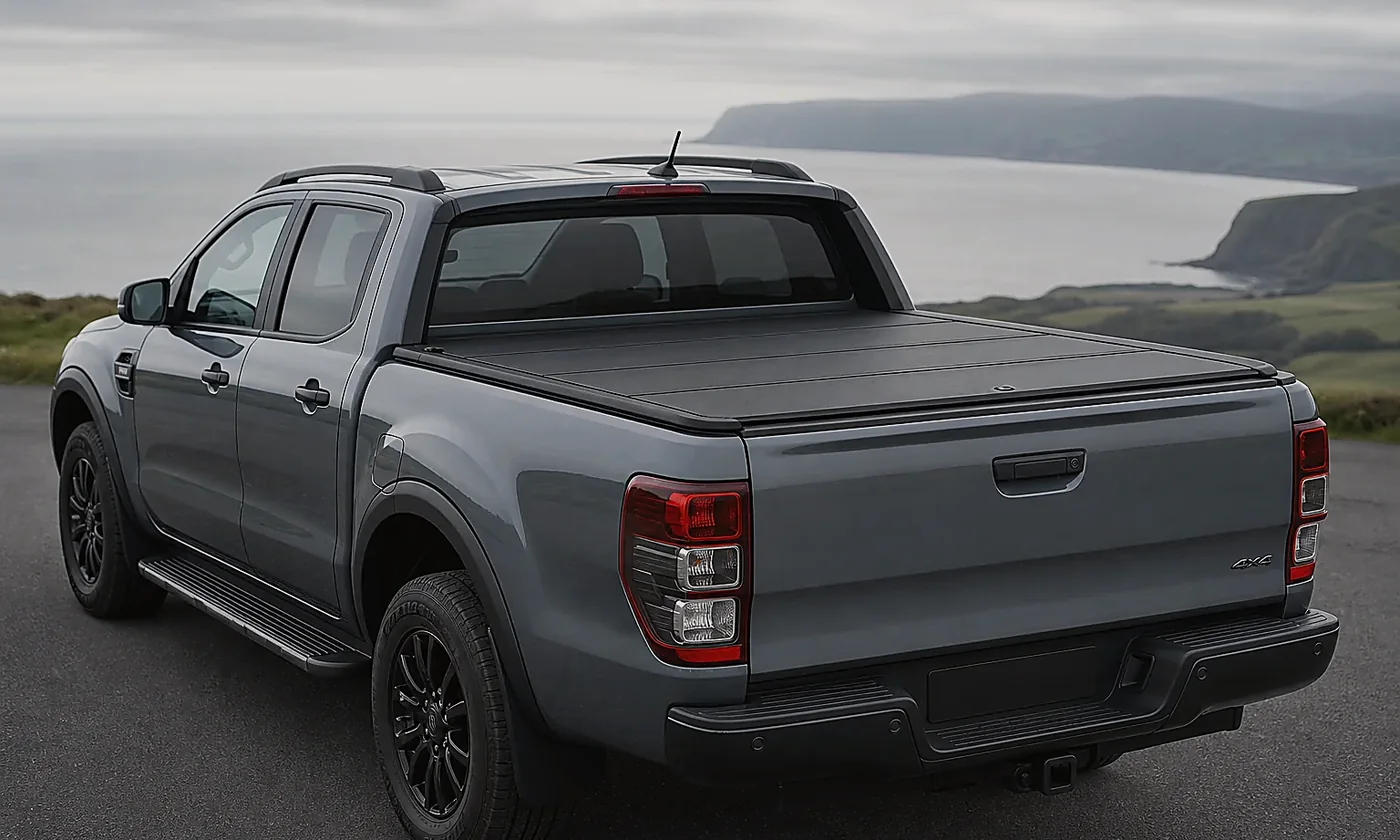
Popular configurations buyers compare first for aluminium fitment and daily use.
Quick access and light weight for everyday use.
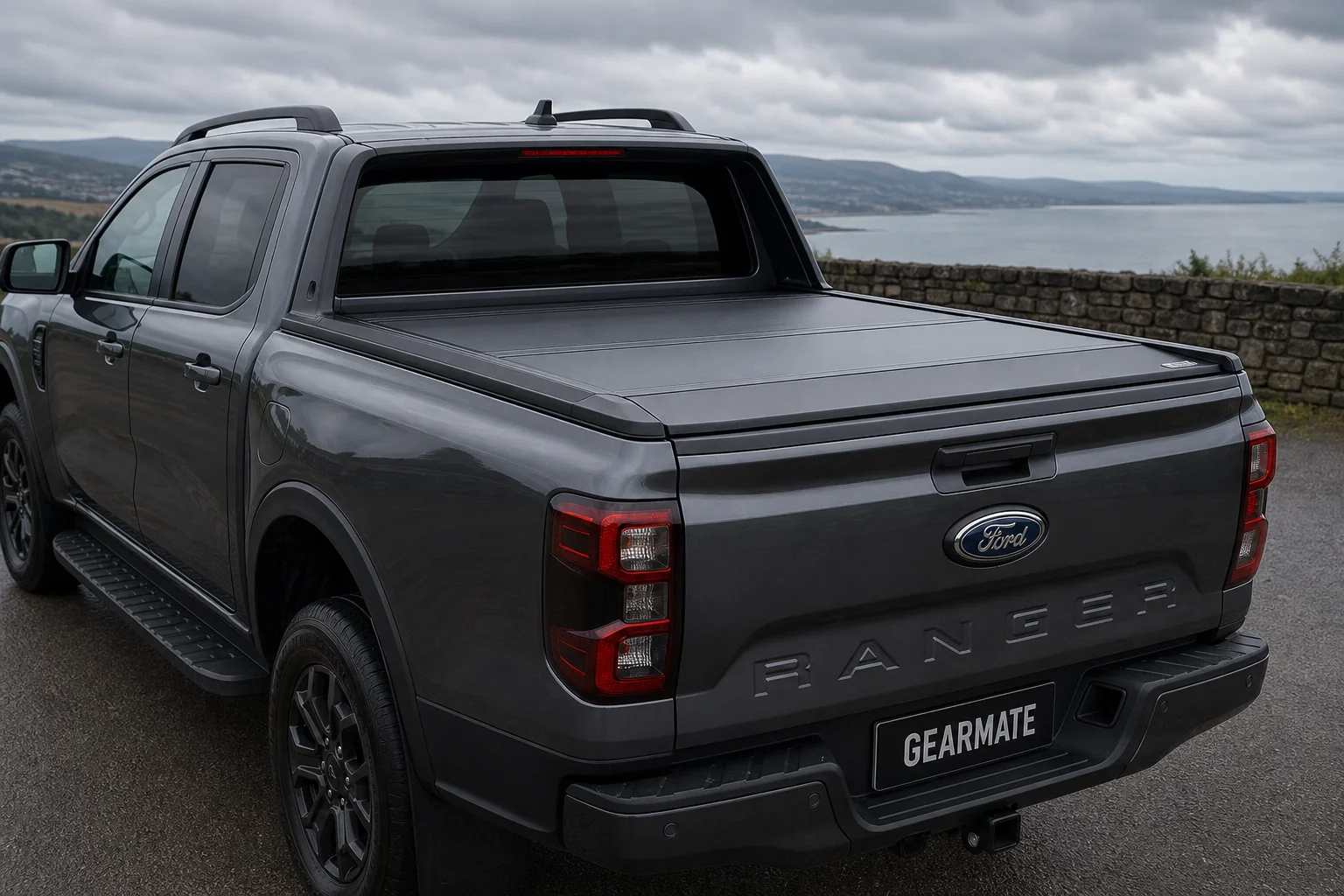
Balanced security and practical opening speed.
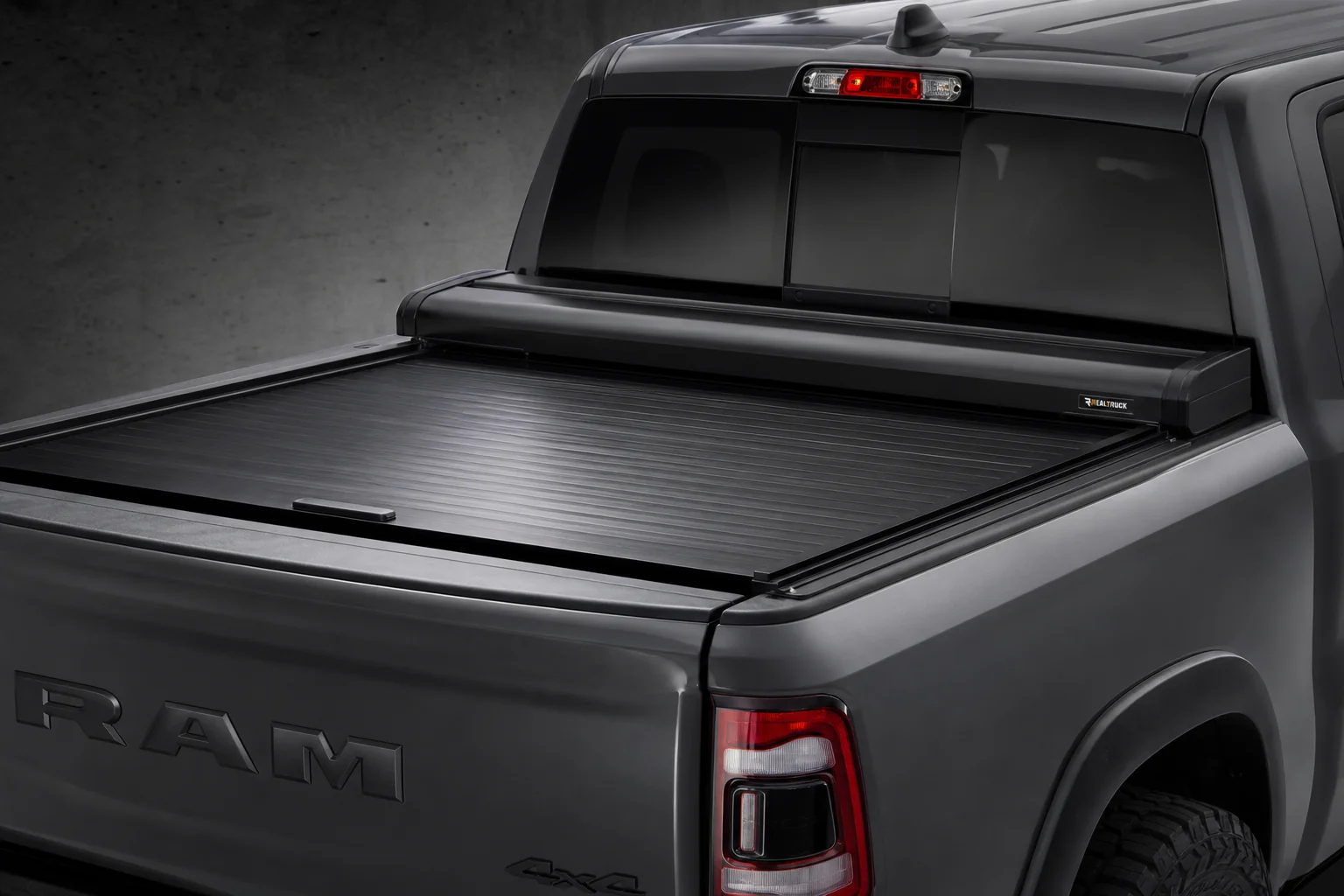
Premium operation with tidy low-profile finish.
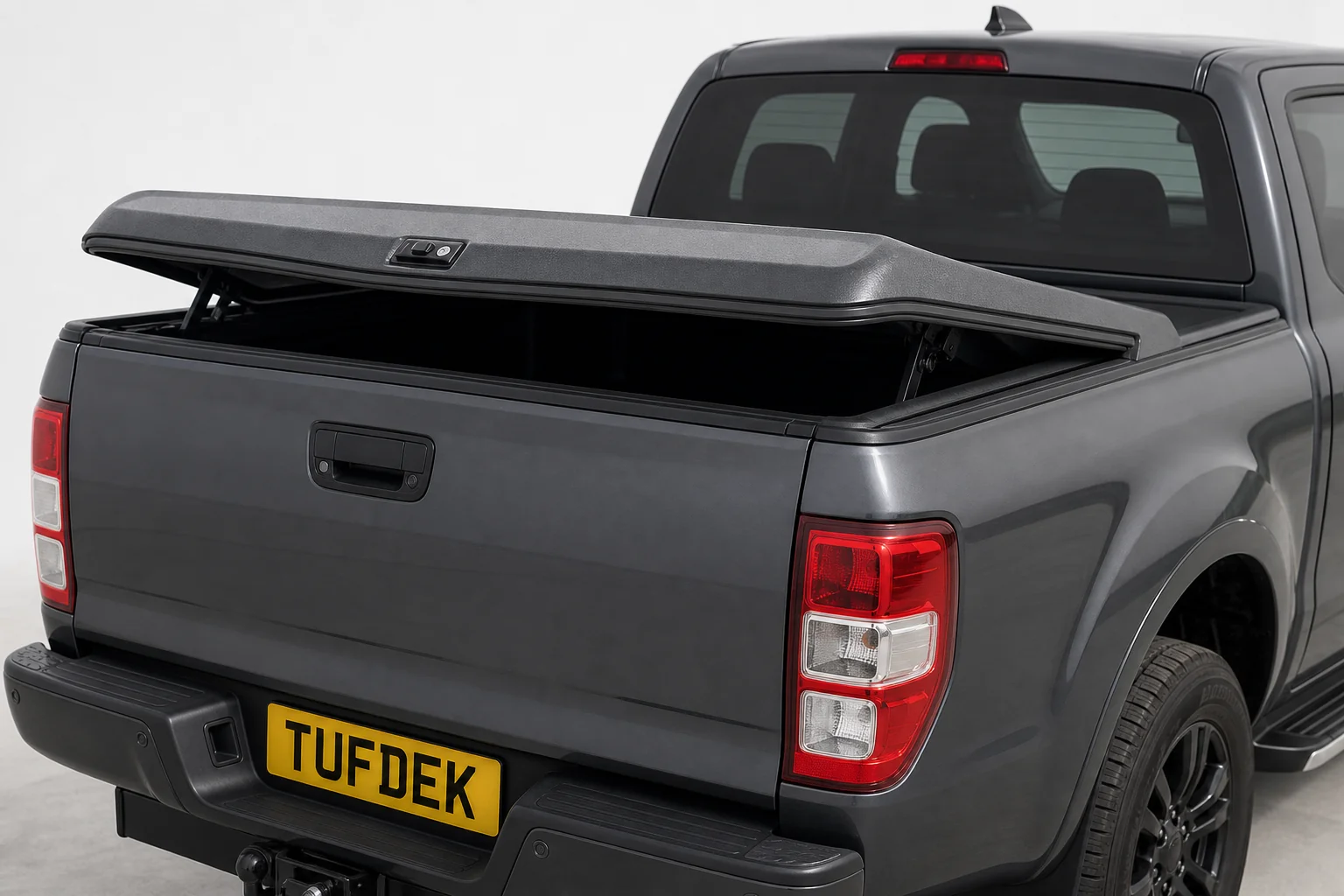
Strong weather seal and simple open-close routine.
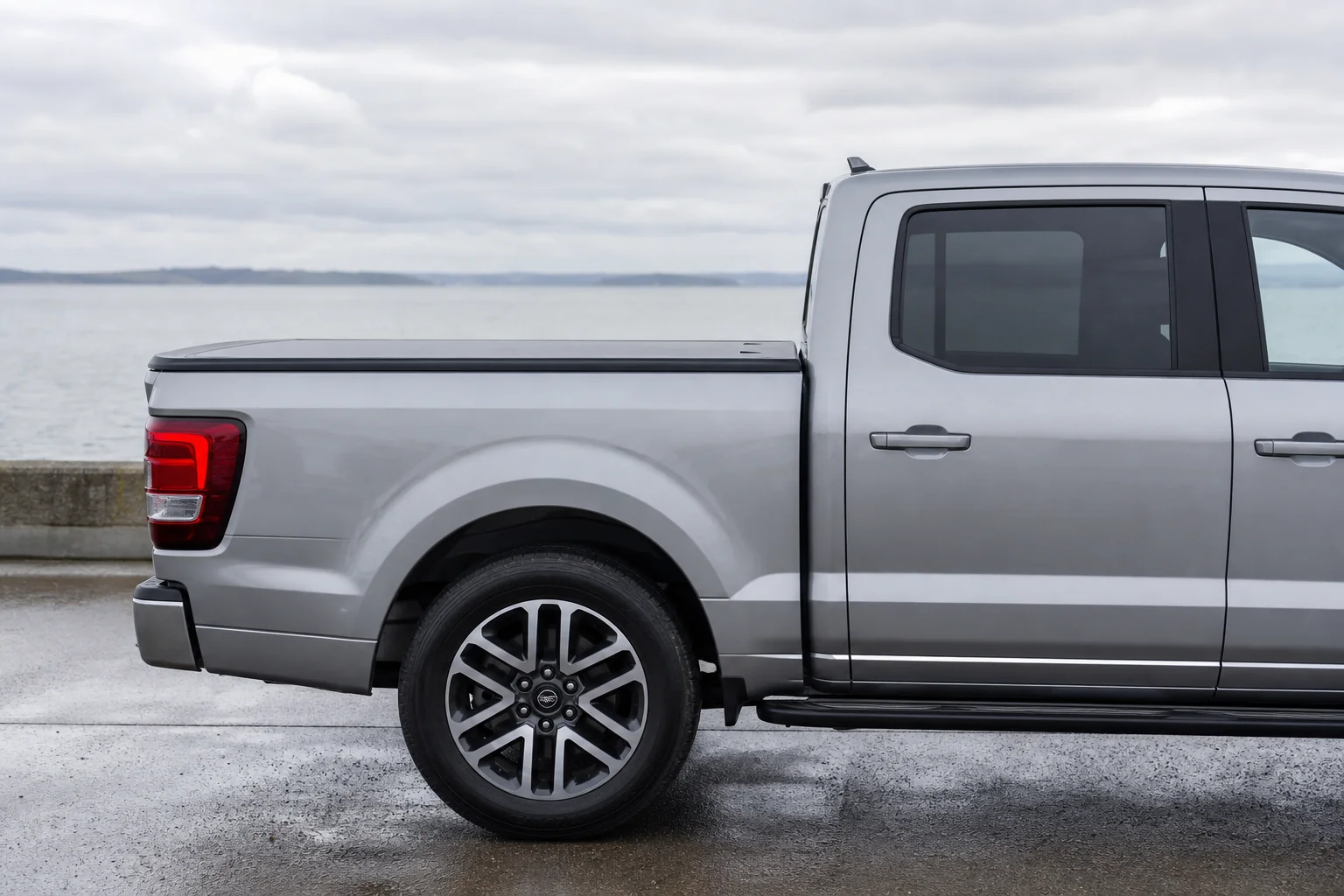
Modern look with dependable lock confidence.
Aluminium owners generally want secure storage, weather resistance, and simple day-to-day operation. This page focuses on practical expectations for UK use, including rain exposure, mixed road conditions, and regular loading routines.
Fit quality is central to real performance. Confirm bed geometry, rail contact, liner thickness, and tailgate interaction before ordering. A tidy initial fit prevents most long-term problems with leaks, vibration, or uneven panel loading.
A tonneau cover improves concealment and can increase lock confidence, especially with hard panel systems. Treat security claims as layered protection rather than total prevention, and combine the cover with good parking and cargo habits.
Strong seals and proper drain routing are more important than brand slogans. Test with a hose after installation, inspect corners after the first week, and retighten hardware if road vibration changes panel alignment.
Think about your loading rhythm. Frequent small access often favours roll-up or tri-fold systems, while long-distance users may prefer robust hard structures and cleaner exterior profiles.
Clean rails and seals with gentle products, lubricate moving hardware at intervals, and clear grit before forcing operation. Consistent maintenance protects both appearance and function across seasons.
Most buyers compare soft and hard cover categories first. Soft covers are usually lighter and more affordable, while hard aluminium or composite systems often provide better lock confidence and top-surface resistance. Retractable systems are sleek and convenient but may reduce front bed space due to the canister. Hinged lids can offer excellent weather sealing but may limit tall-cargo flexibility when open. In UK ownership, practical value usually comes from cleaner cargo, reduced visual exposure, and simpler routine loading rather than dramatic fuel savings. Before purchase, verify whether your setup includes bars, racks, or accessories that affect rail clearance and tailgate movement. After fitting, run a short road test over mixed surfaces to listen for panel movement and confirm clamp stability. If the vehicle is used for tools on weekdays and family travel at weekends, choose operation speed and lock behaviour that suit both patterns without compromise.
A correctly matched tonneau cover improves daily convenience and reduces avoidable risk. Keep expectations practical, install carefully, and maintain seals and moving hardware regularly for the best long-term result.
Start with a clean bed rail surface. Dry thoroughly, then test-fit rails before final clamping. Confirm equal spacing left and right, and ensure panel movement is smooth before torqueing clamps fully. This sequence prevents skewed alignment that can later create leaks or latch stress.
After first fit, perform a static water test, then a short mixed-road drive. Recheck hardware and seal contact once the vehicle returns to level ground. Small adjustments at this stage prevent months of frustration and significantly improve confidence in wet conditions.
Daily work vehicles benefit from predictable lock behaviour and durable hardware. Weekend travel users may place higher value on quick full-bed access and lower operating effort. If your usage alternates frequently, choose a mechanism that remains easy under both heavy and light load routines.
If you carry expensive tools, avoid leaving visible branding or inventory clues in the bed area. Concealment plus good parking discipline is often more effective than relying on one product feature alone. Keep loading routines consistent so cargo is always secured before driving away.
Soft vinyl systems usually offer low weight and simple operation, but may provide lower resistance to forced entry. Aluminium and composite panels generally raise structural confidence and durability. The best option depends on your risk profile, operating frequency, and tolerance for mechanism complexity.
Retractable designs provide smooth operation and premium appearance, yet can consume bed-front space due to canister design. Hinged systems can seal very well but may reduce flexibility with tall cargo. Understanding these trade-offs in advance prevents disappointment after installation.
Monthly: clean seals, clear debris from channels, and inspect visible clamp position. Quarterly: verify lock and latch action, inspect drain routing, and check for unusual panel movement over rough surfaces. Seasonal: remove winter salt residue, refresh lubrication points, and inspect all weather strips.
A modest maintenance routine usually extends service life and keeps operation smooth. Most reported performance issues come from misalignment and neglected cleaning rather than product failure. Preventive checks are quick, inexpensive, and worthwhile.
Stock availability, installation quality, and aftersales support vary by supplier. A reliable local installer and clear warranty path often matter more than small differences in brochure claims. Always ask who handles adjustments if fitment issues appear after the first week.
Continue to Benefits, Most secure, or Near me.